Deep Linking: Transforming User Experience Across App Categories
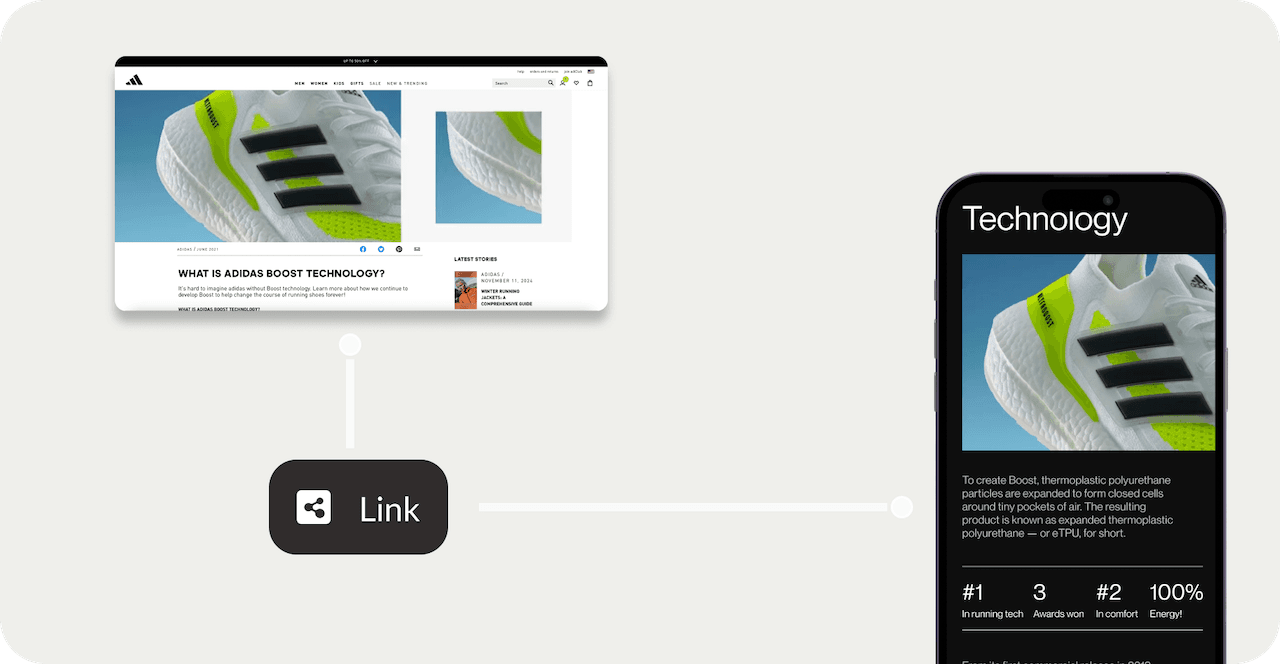
What Are Deep Links?
Deep links are specialized URLs that take users directly to a specific screen or piece of content within an app, bypassing the app's homepage. This streamlined navigation approach enhances user engagement by reducing the steps required to reach desired content, offering a faster, more efficient experience. Deep links are especially valuable in mobile apps, where users prioritize quick and frictionless interactions.
Why Deep Links Are Valuable
Deep linking simplifies the user journey by delivering relevant content immediately, which can boost user retention and improve conversion rates. This technique is particularly effective in app categories like e-commerce, social media, content streaming, and finance, where smooth access to specific content enhances user satisfaction and engagement.
Examples of Deep Linking Across Different App Categories
E-commerce Apps
Use Case: Product-Specific Promotions
E-commerce apps like Amazon and eBay employ deep links to guide users directly to specific products. For example, if a user receives a notification about a flash sale, the deep link will take them directly to the product page. This convenience increases the likelihood of a purchase, as users don’t have to manually search for the item.
Example: A user clicks on a marketing email link about new running shoes and lands directly on the product page in the app.
Social Media Apps
Use Case: Content Sharing and User Engagement
Social media platforms like Instagram and TikTok use deep links to streamline content sharing and engagement. When a user shares a post or story link, recipients can click it to view the content directly, maintaining the flow of interaction and encouraging further engagement.
Example: A friend shares a viral video link from TikTok, which opens directly to the video within the app, skipping the homepage.
Content Streaming Apps
Use Case: Episode and Content Navigation
Streaming platforms like Netflix and Spotify use deep links to direct users to specific shows, movies, or playlists. This feature is ideal for sharing recommendations, allowing recipients to start streaming the suggested content without searching.
Example: A user shares a link to an episode of a popular series, which directs the recipient to that specific episode within the app.
Finance Apps
Use Case: Transaction History and Account Information
Financial apps like PayPal and banking apps use deep links in notifications and emails to help users quickly access important information, such as transaction history or account statements. This saves users from the hassle of searching for specific details.
Example: A notification about an unusual transaction includes a deep link that takes the user directly to the transaction details page within the app.
Travel and Hospitality Apps
Use Case: Booking and Reservation Details
Travel apps like Airbnb and Uber use deep links to provide quick access to booking details or itineraries. For example, clicking a notification about an upcoming trip takes the user directly to their itinerary or booking information in the app.
Example: A user receives a link with their flight details, which opens directly to the boarding pass screen in the airline’s app.
Health and Fitness Apps
Use Case: Class Registration and Workout Plans
Fitness apps like Peloton and MyFitnessPal use deep links to guide users to specific classes, workout routines, or diet plans. Notifications for new classes or challenges include deep links, making it easy for users to sign up or view details.
Example: A notification about a new yoga class includes a link that takes the user directly to the class registration page in the app.
Online Betting and Gambling Apps
Use Case: Event-Specific Bets and Promotions
Online betting platforms like Bet365 and DraftKings use deep links to direct users to specific betting opportunities or events. When users click on a link for a particular game or promotion, they skip general categories and access the exact betting option instantly, increasing the likelihood of placing a wager.
Example: A notification about special odds for an upcoming soccer match includes a deep link that takes users directly to that match’s betting page in the app.
Education and E-Learning Apps
Use Case: Course Modules and Lesson Content
E-learning platforms like Coursera and Duolingo use deep links to take users to specific lessons, quizzes, or discussion boards. This feature enhances the learning experience by helping users pick up where they left off or access new content from instructors.
Example: A user receives an email about a new assignment, and clicking the link opens the assignment page directly within the app.
Food Delivery and Restaurant Apps
Use Case: Specific Restaurant Menus and Promotions
Food delivery apps like Uber Eats and DoorDash use deep links to guide users to restaurant menus, promotions, or previously ordered items. This makes it easy for users to reorder favorites or take advantage of limited-time deals.
Example: A notification about a discount at a favorite restaurant takes the user directly to that restaurant’s page in the app.
Real Estate Apps
Use Case: Property Listings and Saved Searches
Real estate apps like Zillow and Realtor.com use deep links to help users access specific property listings, search results, or saved properties. This feature allows users to view properties they’re interested in without extra navigation.
Example: A notification about a new home listing that matches the user’s saved search preferences opens directly to that property’s listing in the app.
Event and Ticketing Apps
Use Case: Specific Event Details and Ticket Purchases
Ticketing apps like Eventbrite and Ticketmaster use deep links to take users directly to specific event pages, simplifying the ticket-purchasing process. This feature is particularly helpful when promoting popular events or concerts.
Example: An email with a link to a concert opens directly to the ticket purchasing page for that event, facilitating quick ticket sales.
Customer Support and Helpdesk Apps
Use Case: Issue Resolution and Ticket Status
Customer support platforms like Zendesk and Freshdesk use deep links to streamline the user experience, taking users directly to specific tickets, FAQs, or troubleshooting guides. This helps users find assistance faster, leading to quicker issue resolution.
Example: A link in a support email takes the customer directly to their support ticket’s status page within the app, so they can check updates or respond without extra steps.
Conclusion
Deep linking has become a transformative strategy for apps across categories. By directing users to relevant content, deep links create a more efficient, enjoyable user experience. From streamlining shopping journeys to enhancing social interactions and providing quick access to critical information, deep links offer users faster, more personalized app interactions. This leads to higher satisfaction and engagement, making deep linking a valuable tool for boosting retention and conversion rates across a wide range of app types. Grovs can create automatic pages that let users download your mobile apps just by scanning a QR code. This makes it easier and more convenient for users to access and install your app.
Keep reading
More articles you might find useful